
Steve Randy Waldman
@interfluidity.com
This one’s beautifully written.
Loading quoted Bluesky post...
This one’s beautifully written.
Loading quoted Bluesky post...
( i have Some Thoughts™ e.g. www.interfluidity.com/v2/7317.html i hope to write some more on this soon. )
the physics of excluding oneself from ones own company can be difficult.
I think managing the exclusiveness that comes with expertise is one of the core challenges of our time. No physicists shouldn’t have to hang out with randos and debunk yet another perpetual motion machine. But letting experts self-segregate entirely is a source of catastrophe. 1/
I think there are institutional approaches we can take to maintain a social infrastructure of expertise that is broadly inclusive even while not depriving you of conversation with other specialists or wasting too much of your time interacting with novices. /fin
i say inclusive! i want to say that anyone can choose to be a gay communist gun-lover if they want, but it’s controversial whether gay can be taken as a matter of choice. 1/
But when groups are filtered by some ascriptive or immutable characteristic, i’d still class it not exclusive (though perhaps not inclusive) as long as that group is large, the characteristic pretty common, and they don’t otherwise select. 2/
(If the characteristic is freely choosable, it’s inclusive no matter how few choose it! The Miami Lutefisk Lovers Club is very inclusive!) /fin
i don’t claim to be general, but increasingly i’m just allergic to at least the aesthetic of exclusiveness. i get the status case in both directions, and understand my attitude can be taken as an affectation of abjuring status, bc obviously i require it. nevertheless i’m desperate to flee the vibe.
i’ve complicated views on the “paradox of tolerance”, but setting that aside, even though it does imply exclusion, it doesn’t really imply “exclusive” in the common sense of that word. 1/
“exclusive” implies available to a relatively select group, which is different from a requirement to agree to common standards of behavior that are accessible by anyone and everybody who wishes to be included. 2/
a bridge club that accepts anyone who wishes to play bridge is not “exclusive” because it chases away people interested in singing Christmas carols instead at the meeting. so too a requirement to behave with a degree of tolerance and civility. /fin
i just can’t elope.
sass can be fun, but meanness is just boring.
would you rather be part of something exclusive or part of something inclusive?
the dose is the poison.
Loading quoted Bluesky post...
 photo of a bag of Smartfood Brown Butter and Sea Salt Kettle Corn.
yes, but the way the piece describes what that means, they would be. that is why the piece is weak.
but the children of diplomats are not born on embassy soil, typically. they are born over American soil, under the American flag, and still are not citizens. i deeply favor of birthright citizenship, am very glad most legal scholars think arguments for loopholes weak. but this piece is not strong.
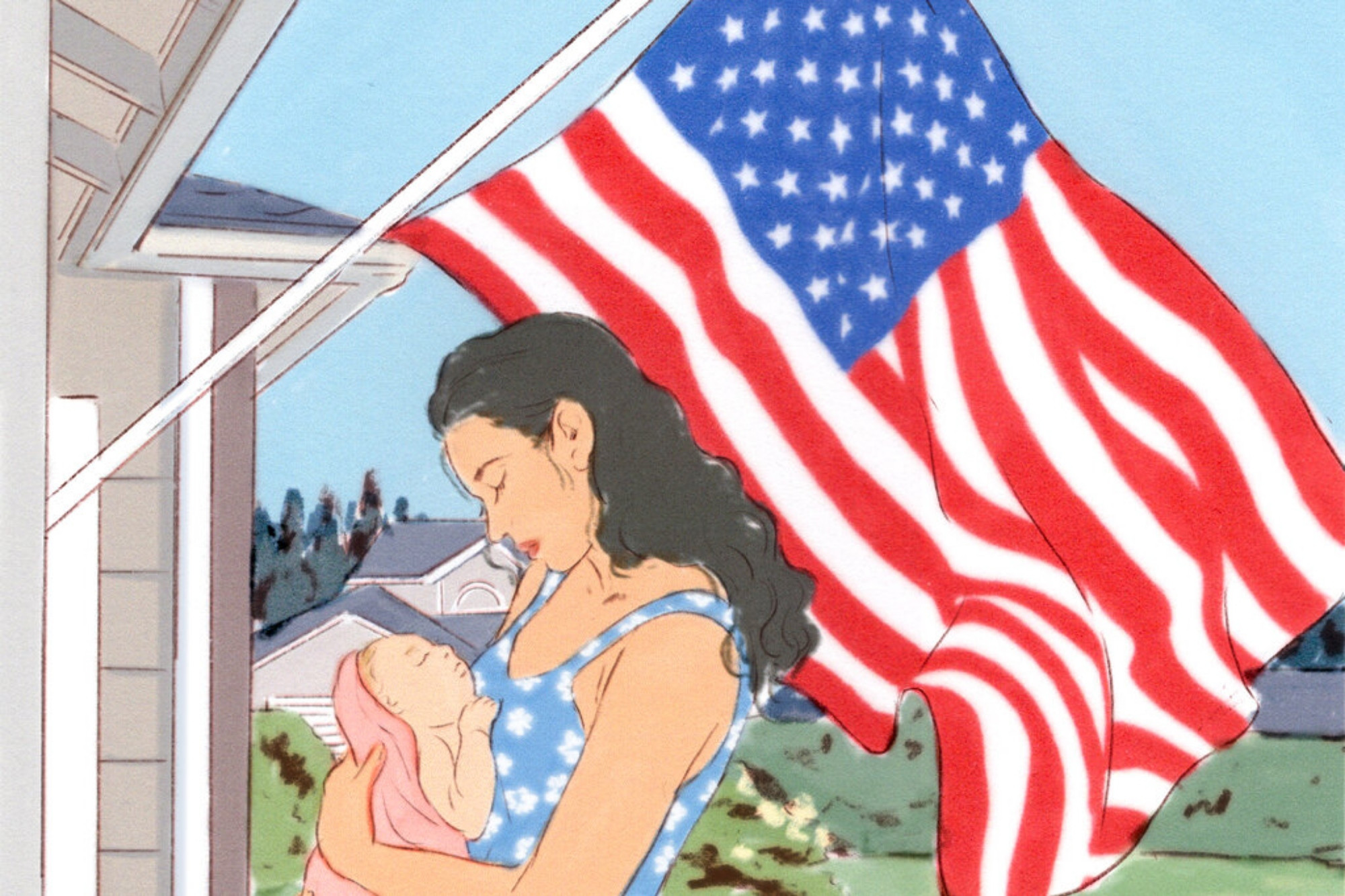
Opinion | Soil, Not Blood, Determines U.S. Citizenship
Link Preview: Opinion | Soil, Not Blood, Determines U.S. Citizenship
the zoomer analogue of fintwitter should be “top-tick TikTok”.
(i don’t know but i suspect @alonlevy.bsky.social does. note though these costs come with social benefits, in addition to the direct transfer to existing riders. more universal transit renders plausible other improvements and efficiencies in city life.)
(more universal use of transit and increased use by existing users) (does mean the cost of provision likely rises somewhat as well, to meet the increase in quantity demanded)
yes. i think insight about relative desirability of the dollar subsists in price, not quantity. the trade deficit / cap surplus are affected by dollar desirability, but by many other things too.
it might be taken an argument for free, integrated transit rather than against free buses per se, though.
what if claude just automated the financial sector?
i worry, since they would lose any election in a wave, and they face significant criminal and business risks from a transfer of power, that they won’t see as their best bet manufacturing crises that they can argue foreclose the possibility of immediate term democratic transition.