Steve Randy Waldman
@interfluidity.com
did China choose a domestic political party it disliked, in order to blame it specifically for the pressure it imposed? China is often thin-skinned and overbearing in international affairs, not trying to make any defense of its behavior whatsoever. but playing favorites in domestic politics is icky.
Steve Randy Waldman
@interfluidity.com
I mean, that's the sense u get? But I don't know? Showboating cld happen from the other side too, you cld imagine some ordinary clearance procedure + then Columbia's President rescinding it, turning the plans back. But absent evidence, I'd place my bets on sloppiness by a suddenly improvisational US
Steve Randy Waldman
@interfluidity.com
You'd think before sending repatriation flights, someone would make a phone call? It wouldn't be, like, "Hi! We're here! Can we come in?"
Steve Randy Waldman
@interfluidity.com
the best minds of our generation are now sleeping under their desks working to invent vegan fake eggs!
Steve Randy Waldman
@interfluidity.com
abundance is awesome and i support it, but presuming abundance will overwhelm distributional concerns is a bet we’ve already taken that works out poorly, both from an abundance and distributional perspective. i am radically for the equitable abundance agenda!
Steve Randy Waldman
@interfluidity.com
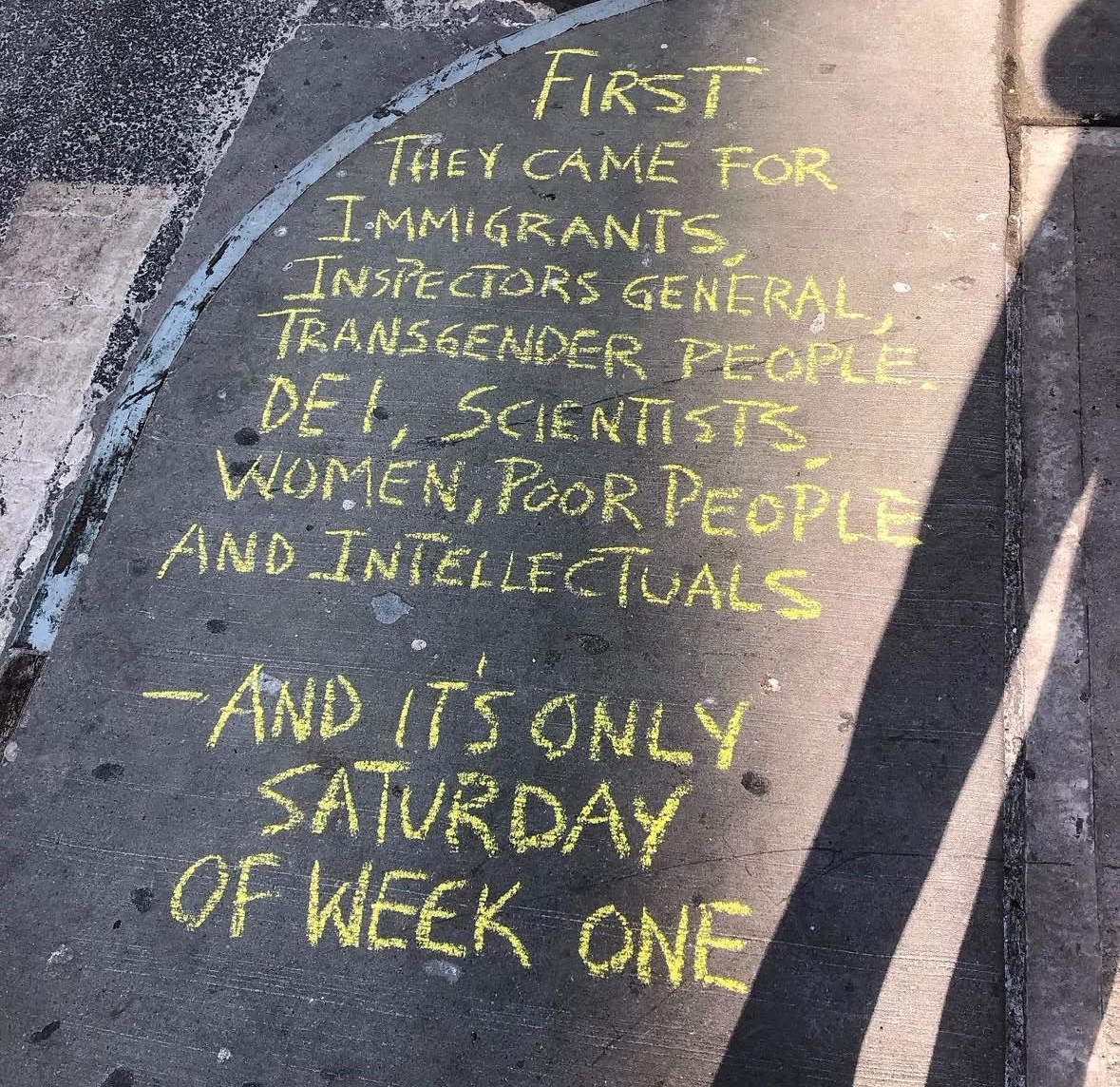
Widdershins Smith 🐘 (@juglugs@mastodon.social)
Link Preview: Widdershins Smith 🐘 (@juglugs@mastodon.social): Attached: 1 image #WeekOne
Steve Randy Waldman
@interfluidity.com
The American consumer looks forward to valuable innovations.
Steve Randy Waldman
@interfluidity.com
potentially dangerous criminal aliens are mostly very nice people.
Steve Randy Waldman
@interfluidity.com
only plutocrats can do hard things? it’s just not that expensive.
Steve Randy Waldman
@interfluidity.com
the US military is an example of an effective, high quality labor pool reinforced by a well organized benefits state. sets a dangerous example.
Loading quoted Bluesky post...
Steve Randy Waldman
@interfluidity.com
does deep seek low training cost presage the possibility of models built and trained by nonprofits with broad public support, with no plutocrat or aspiring plutocrat anywhere in the pipeline?
Steve Randy Waldman
@interfluidity.com
$100M is my number, and that seems too much. But yeah.
Loading quoted Bluesky post...
Steve Randy Waldman
@interfluidity.com
i’m not sure to do with the metaphor, but the idea is surprisingly appealing…
Steve Randy Waldman
@interfluidity.com
i think i read something you wrote that accidentally said Alito and you very quickly fixed it?
Steve Randy Waldman
@interfluidity.com
in prospect revenge is more appealing than remedy. but it’s like a bag of cheetos — you’ll find you wish you’d gone for the salad after you’ve binged.
Steve Randy Waldman
@interfluidity.com
“I’m not a doctor, but I play one on TV. Today I will be performing your heart surgery.”
Steve Randy Waldman
@interfluidity.com
not yet! i’ll take a look.