
Steve Randy Waldman
@interfluidity.com
political representation is supposed to be representation like a lawyer, not representation like a representative sample. we keep getting this wrong.
political representation is supposed to be representation like a lawyer, not representation like a representative sample. we keep getting this wrong.
i think these alternatives are mistaken. the alternative to (bad versions of) populism are mediating institutions in which people, regardless of their personal education, can recognize their own interests and values, which they can trust to act rationally and professionally in pursuit of those. 1/
it’s the lack of mediating institutions — of a menu of political parties that reflects the diversity of the electorate — that puts voters in a position of trying beyond their (really anyone’s) expertise to be strategic about and within amorphous coalitions… 2/
or else vote for charismatic heroes with simple, compelling, and false stories about why things are terrible and what should be done to fix it. /fin
americans should not have elected trump. 1/
even most of those opposed to him were complicit in the sense they could have done more to persuade, or raise the social costs of supporting trump. 2/
yet punishing or holding to account arbitrary americans for not having done more to prevent trump’s election would serve neither a practical nor moral purpose, and would amount to violation of the dignity and independence we accord to individuals in liberal societies. /fin
it used to be during our wars we learned the names of once obscure cities. in this one, we learn the name of once obscure oil and gas facilities.
essentializing people is still a bad practice.
all of this is downstream from the assassination of Rabin.
Loading quoted Bluesky post...
when you’ve seen it with your own eyes on video, that’s when you know that it’s probably a lie.
encore! and huge congrats!
i have a depression joke, but it isn’t very good.
Loading quoted Bluesky post...
one way to understand all this is the world’s largest petrostate kneecapping its lowest cost competitors, potentially for years, all in the name of protecting the security of their region.
just gotta say it’s not easy being jay.
you're one to shine!
Maybe we will look back on this as the period of time that clarified for all of us that fossil fuels are truly over and post-WWII universalist liberalism is absolutely worth preserving because the alternative, the alternative is… this.
i feel like we recapitulated this whole Habermas history in like 15 years between 2000 and 2015. engelsbergideas.com/essays/jurge... ht @thebrowser.bsky.social cc @poetryforsupper.bsky.social
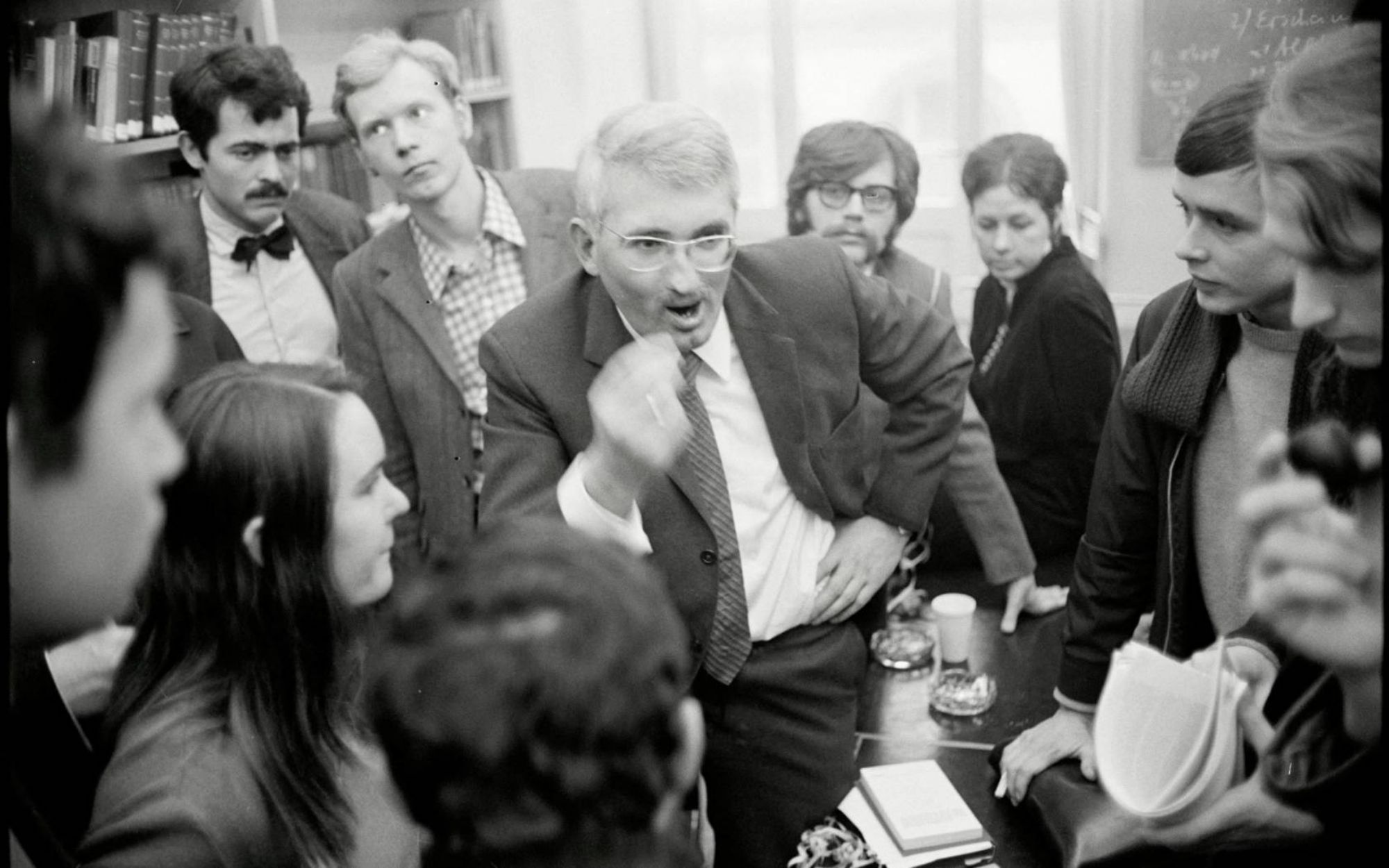
Jürgen Habermas’ lost world: the coffee-house and the public sphere
Link Preview: Jürgen Habermas’ lost world: the coffee-house and the public sphere: Jürgen Habermas' enduring work began in the coffee-houses of Georgian London. His deepest insight was, in the end, a conservative one.
i am glad if i was able to provide some kind of electron microscope by which to scry such infinitesimal things!
huh. i missed the big anniversary like a couple of weeks ago, but interfluidity.com is twenty years old this month. i'm on a bit of a hiatus as my life is overwhelmed by other things, but i'm still blogging after all these years. drafts.interfluidity.com/archive.html
for now there is just a “spirit halloween” banner.
sometimes nostalgia is so painful i think it will burn a hole right through me.
OBAA > OBBB
the franchise is a sacrament, not a device to be manipulated. but from a purely sociopathic perspective, wouldn’t the SAVE Act be just terrible for MAGA? there are not in fact a lot of illegals voting. 1/
i guess the theory is the extra burden on married women who changed names (birth certificate + marriage license) would discourage more lib-voting women than the whole doc requirement would discourage the low information, weakly partisan voters who are MAGA’s margin? 2/
it’s a betrayal of the democratic ethos, which thirsts for universal participation. but on its own cynical terms, it seems like a risky bet. /fin