Steve Randy Waldman
@interfluidity.com
i mean, maybe not. but cutting checks is an official act so the pattern of cutting or failing to cut checks represents part of each president's distinct portfolio of official acts, so is itself an official act, for which the president enjoys at least presumptive if not absolute immunity.
Steve Randy Waldman
@interfluidity.com
some people prefer the negative income tax and others prefer the universal basic income, so they compromised on the negative basic income.
Steve Randy Waldman
@interfluidity.com
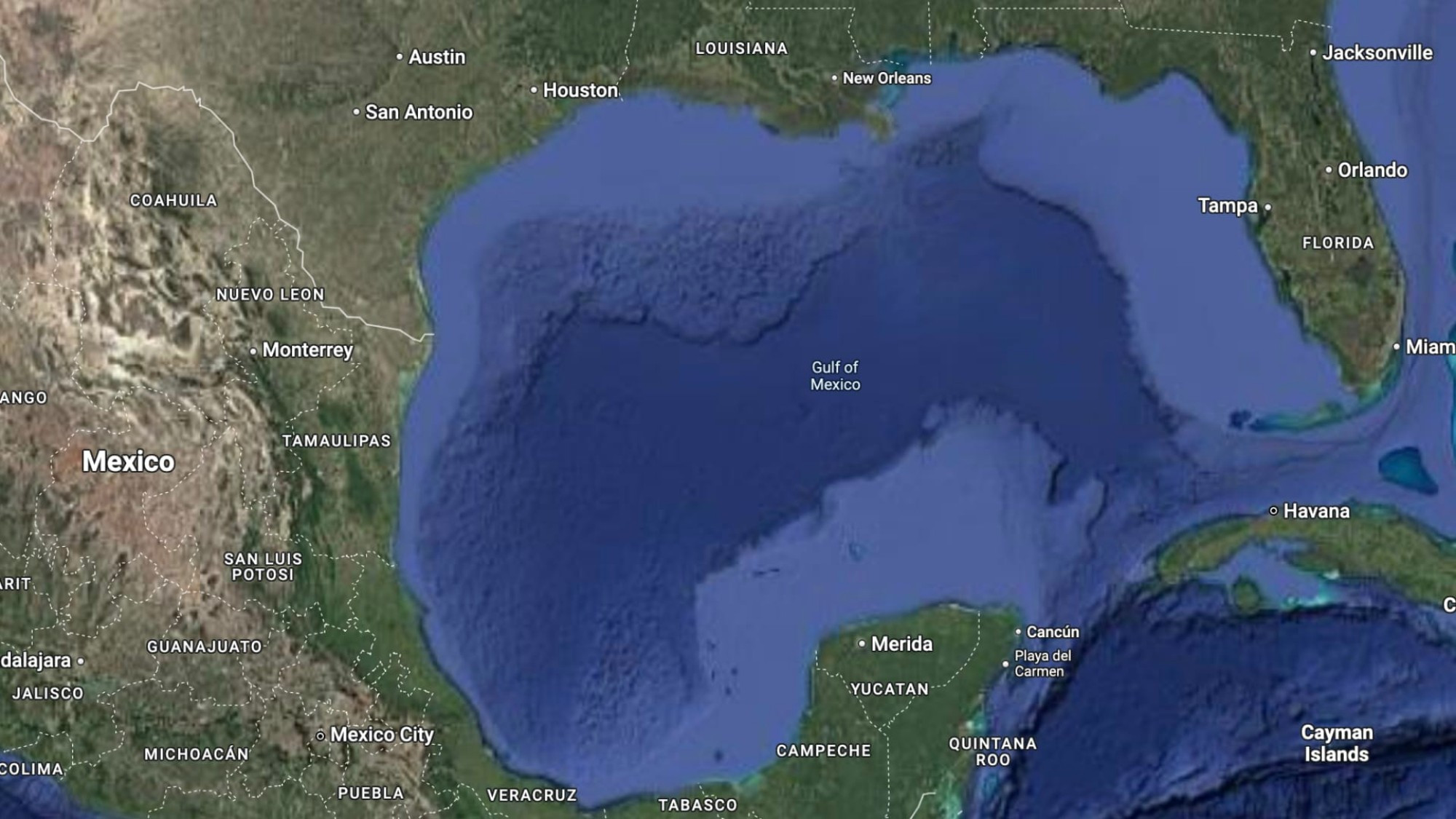
i feel like my kid's fifth grade teacher really dodged a bullet. they covered the geography of the US southeast, including the Gulf of Mexico, like a month ago. it'd be a no-win situation if she had to teach it now.
Steve Randy Waldman
@interfluidity.com
If Trump passed an executive order claiming "yuge" the official spelling of TWFKAH (the word formerly known as "huge"), would @merriam-webster.com just comply, maybe listing the h-version as an alternate or archaic spelling? But Google, Google, is doubleplusgood. ht @gottalaff.bsky.social
Google says it will change Gulf of Mexico to 'Gulf of America' in Maps after government updates
Link Preview: Google says it will change Gulf of Mexico to 'Gulf of America' in Maps after government updates: In posts on X on Monday, Google said it will follow the government's lead in changing the names on its Maps app.
Steve Randy Waldman
@interfluidity.com
yeah, but i heard you're free software.
Steve Randy Waldman
@interfluidity.com
yes, of course the shit they do is outrageous. but they love to be raged at. they thirst for our anger. the shit they do is also stupid, pathetic, and hilarious. they don't love to be laughed at. we love to laugh. win-win!
Steve Randy Waldman
@interfluidity.com
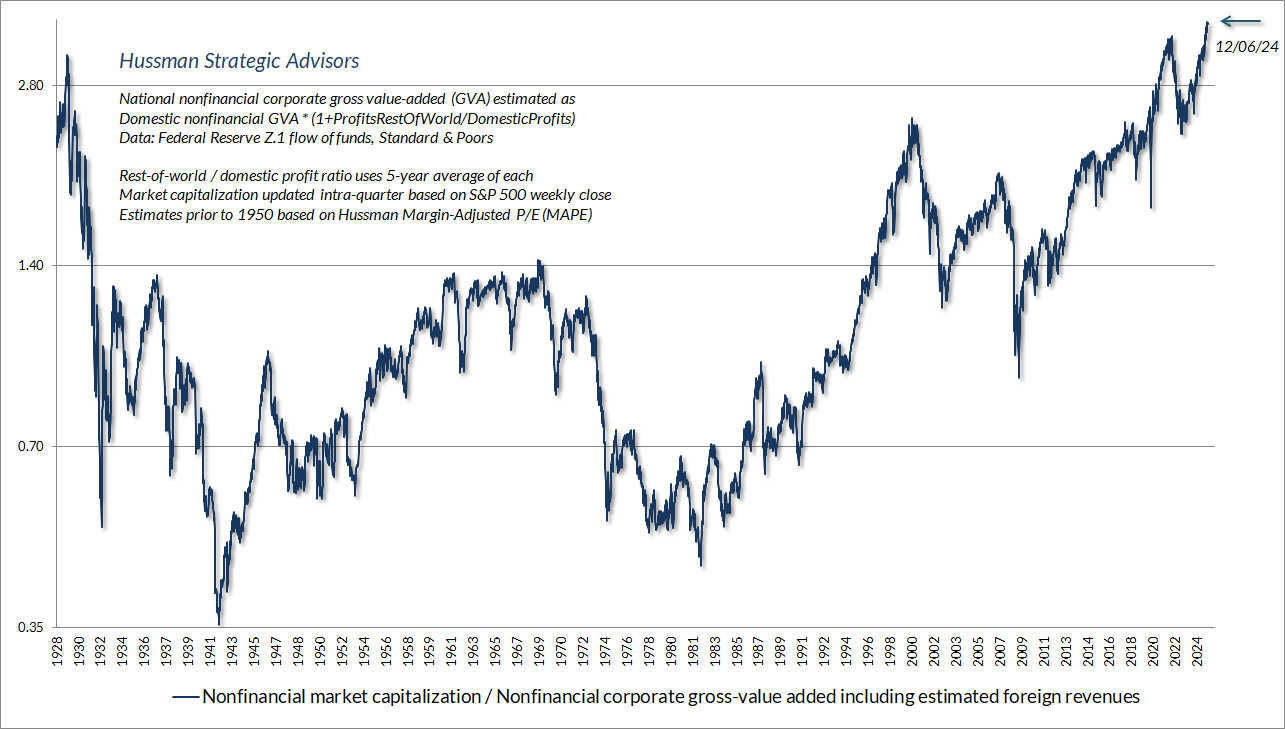
When returns were normal, people did not rely upon asset appreciation to finance such expensive futures. We've been in a capital-allocation destructive fantasy world since the mid-1990s. It's not just coming off the GFC.
Steve Randy Waldman
@interfluidity.com
It's all so very clever. So much respect for process, which process is merely rational, right? except it is a fig leaf for letting you suffer and die when that would minimize costs.
Steve Randy Waldman
@interfluidity.com
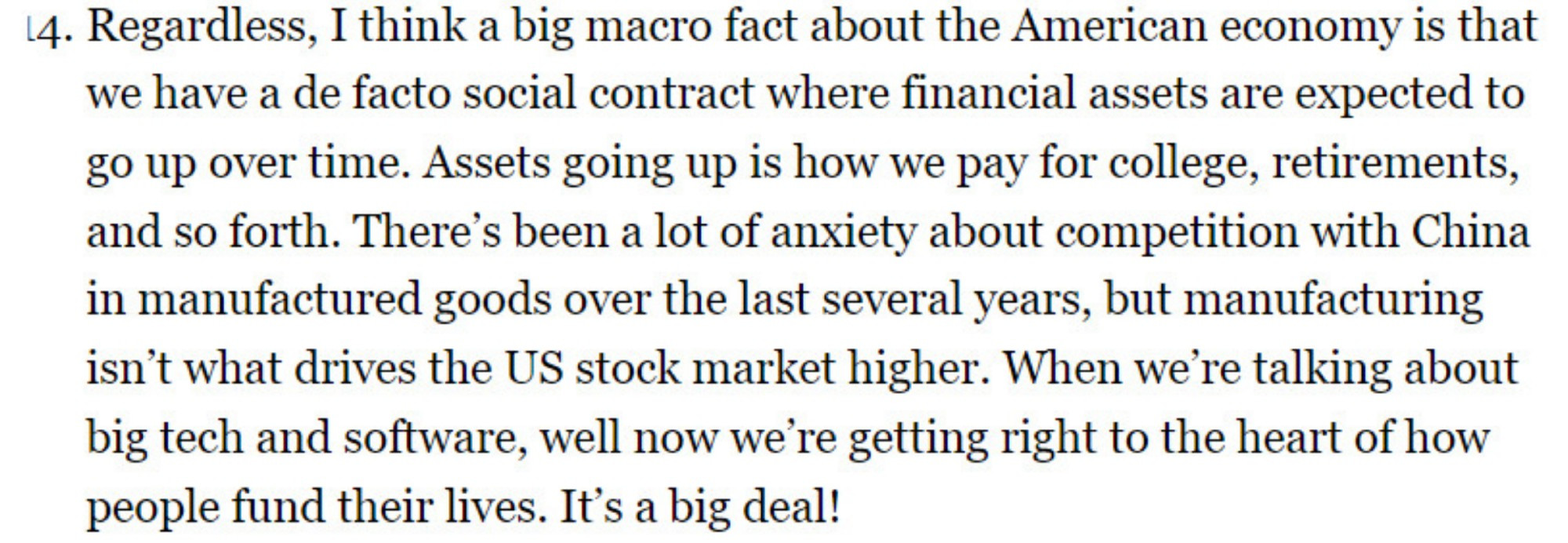
I guess @weisenthal.bsky.social can clarify if he wants, but I think the social contract he implies is number-go-up according to expectations set the past few decades, especially since the GFC. Housing number used to go up with inflation. That was fine. Now much faster. Not so fine!
Steve Randy Waldman
@interfluidity.com
It is to a degree. But as you say, it's massively skewed towards the very top of the wealth hierarchy, and it's badly skewed against the bottom, as most below median earners have very little to no pension/401K/ etc assets. Some amelioration at, say, 60-90%iles, sure. But not a great social program!
Steve Randy Waldman
@interfluidity.com
Yes. I love @williamcb.bsky.social's writing on this. The Thatcherite (also Reaganite) theory of no support near-market, just "basic research" support is an experiment tried and failed. China has learned something different works. The UK and US for ideological and rentierist reasons refuse to learn.
Steve Randy Waldman
@interfluidity.com
Yes. Firm values can grow as fast as aggregate production. But they can't perpetually grow faster without doing damage to both capital allocation and those who hold less than average (not median) shareholdings in dollar terms. Our "social contract" is an addiction to their growing much, much faster.
Steve Randy Waldman
@interfluidity.com
(i love parentheses (especially when they are nested)🙂)
Steve Randy Waldman
@interfluidity.com
Sure. But productivity is reflected in (its numerator defined by) GDP. Profits can rise with productivity without redistributing to nonshareholder claimants. But that's what it looks like if they rise with GDP, not faster than GDP.
Steve Randy Waldman
@interfluidity.com
we just saved, like, $500B we don't have to invest in data centers and energy. maybe we should put it into building amazing, affordable new neighborhoods instead?
Loading quoted Bluesky post...
Steve Randy Waldman
@interfluidity.com
from @weisenthal.bsky.social, descriptively accurate, but a terrible social contract. mkts can't simultaneously be good capital allocators and a reliable xfers program, just like housing cannot be both continuously affordable and a good investment. plus it's a distributionally awful xfers program.
Steve Randy Waldman
@interfluidity.com
It's the most courteous administration. Nobody is more courteous. Lots of people are saying so. 😜