Steve Randy Waldman
@interfluidity.com
it's remarkable the term gaslighting was invented prior to this administration. cf @ddayen.bsky.social on Schroedinger's CFPB. prospect.org/economy/2025...
CFPB to Employees: When We Said Stop Work, We Didn’t Mean Stop Work!
Link Preview: CFPB to Employees: When We Said Stop Work, We Didn’t Mean Stop Work!: The illegal plan to dismantle the consumer agency is failing. So Russ Vought and his charges are engaging in some CYA.
Steve Randy Waldman
@interfluidity.com
yeah, man. Europe is so scary. from ourworldindata.org/grapher/homi...
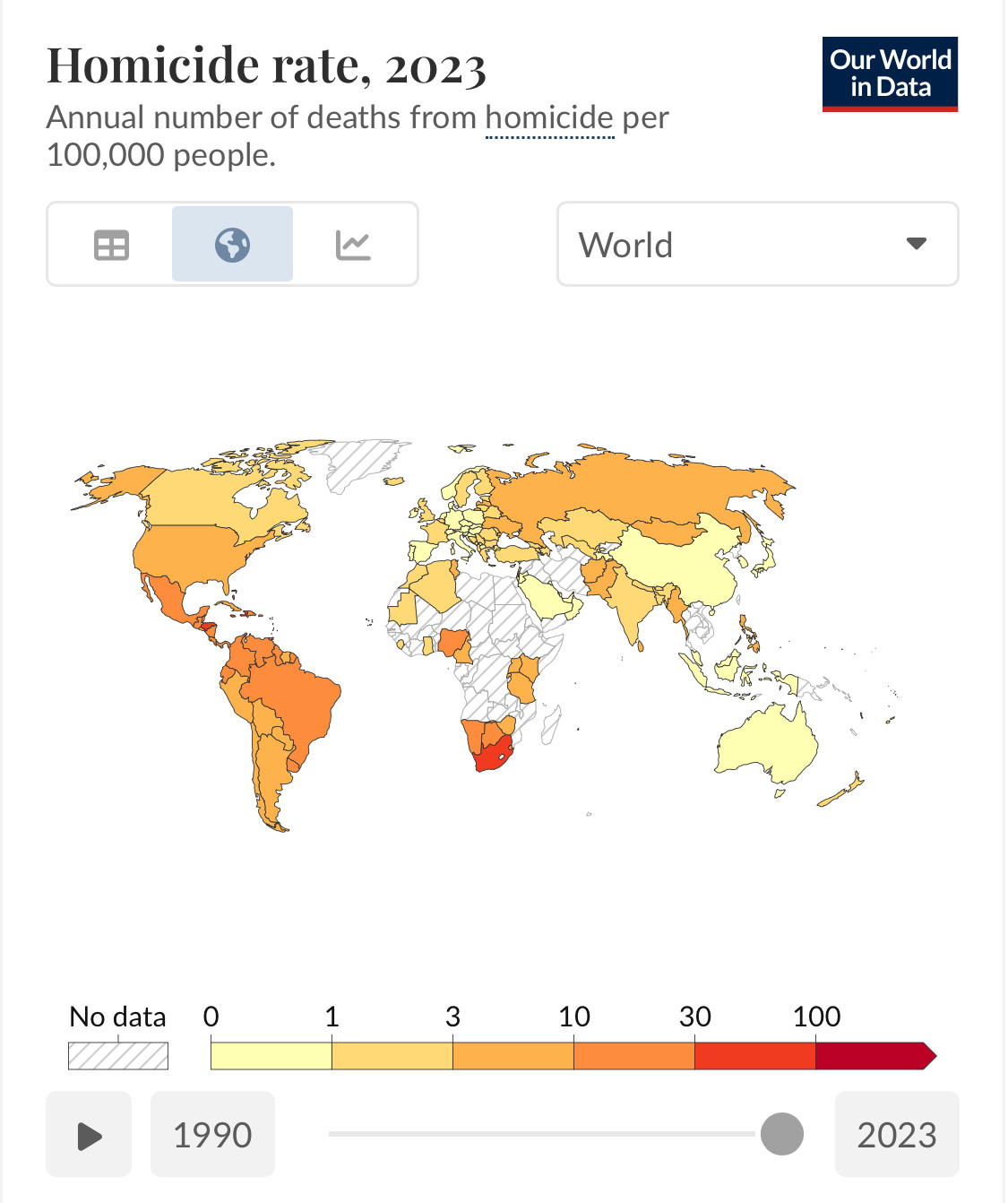 Map of homicide rates by country 2023, showing nearly all of Europe with lower rates than the US.
Loading quoted Bluesky post...
Steve Randy Waldman
@interfluidity.com
wasn’t this the traditional definition of chutzpah, when you massacre half your legal team then ask for lenience from the court because you’re short-staffed? ht @histoftech.bsky.social
Loading quoted Bluesky post...
Steve Randy Waldman
@interfluidity.com
maybe we could have a strategic sportsbets reserve too.
Steve Randy Waldman
@interfluidity.com
stop complaining it is the absolute pravda.
Steve Randy Waldman
@interfluidity.com
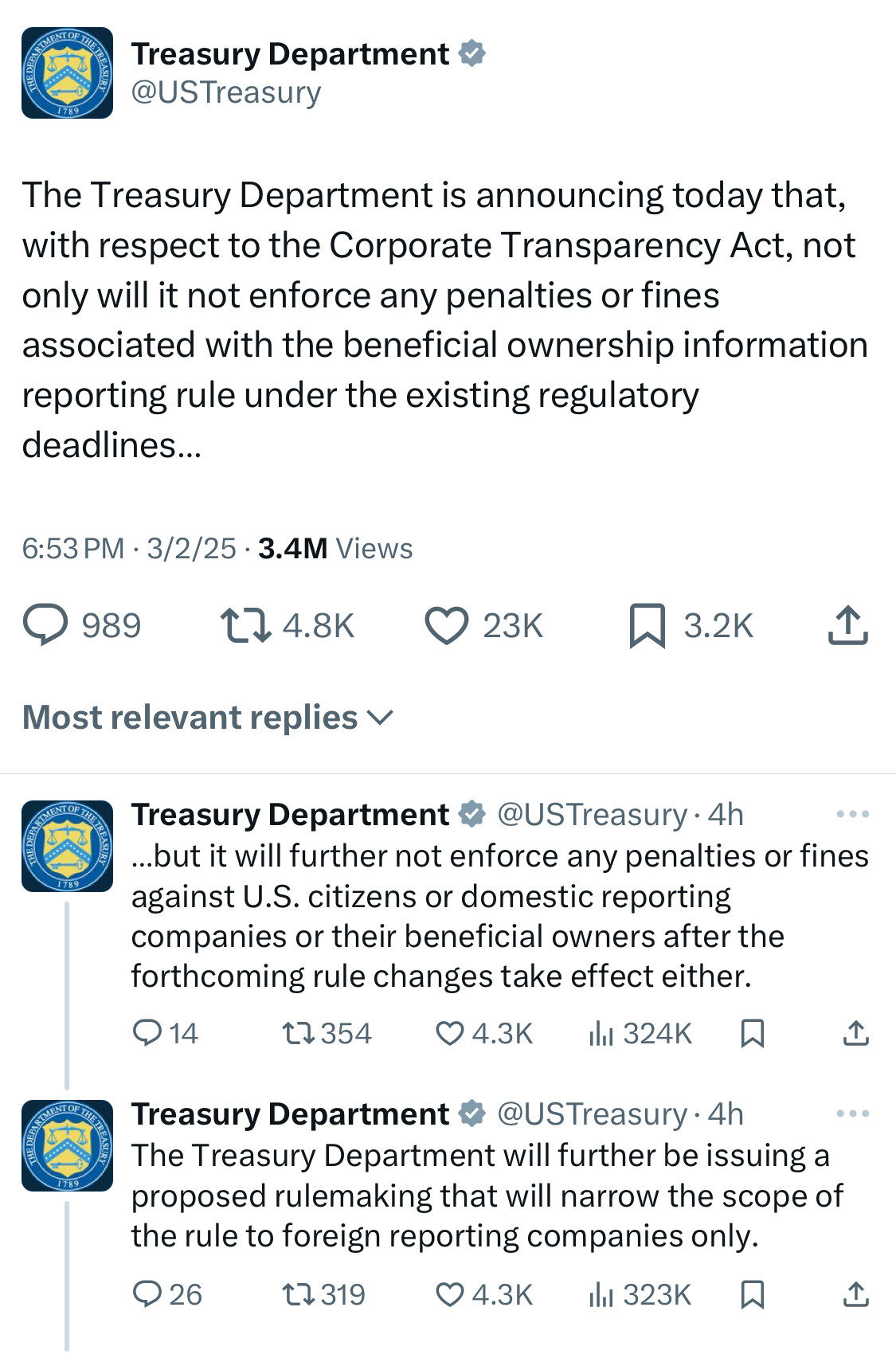
it’s undoing an achievement in transparency for the benefit of money launderers and tax evaders.
Steve Randy Waldman
@interfluidity.com
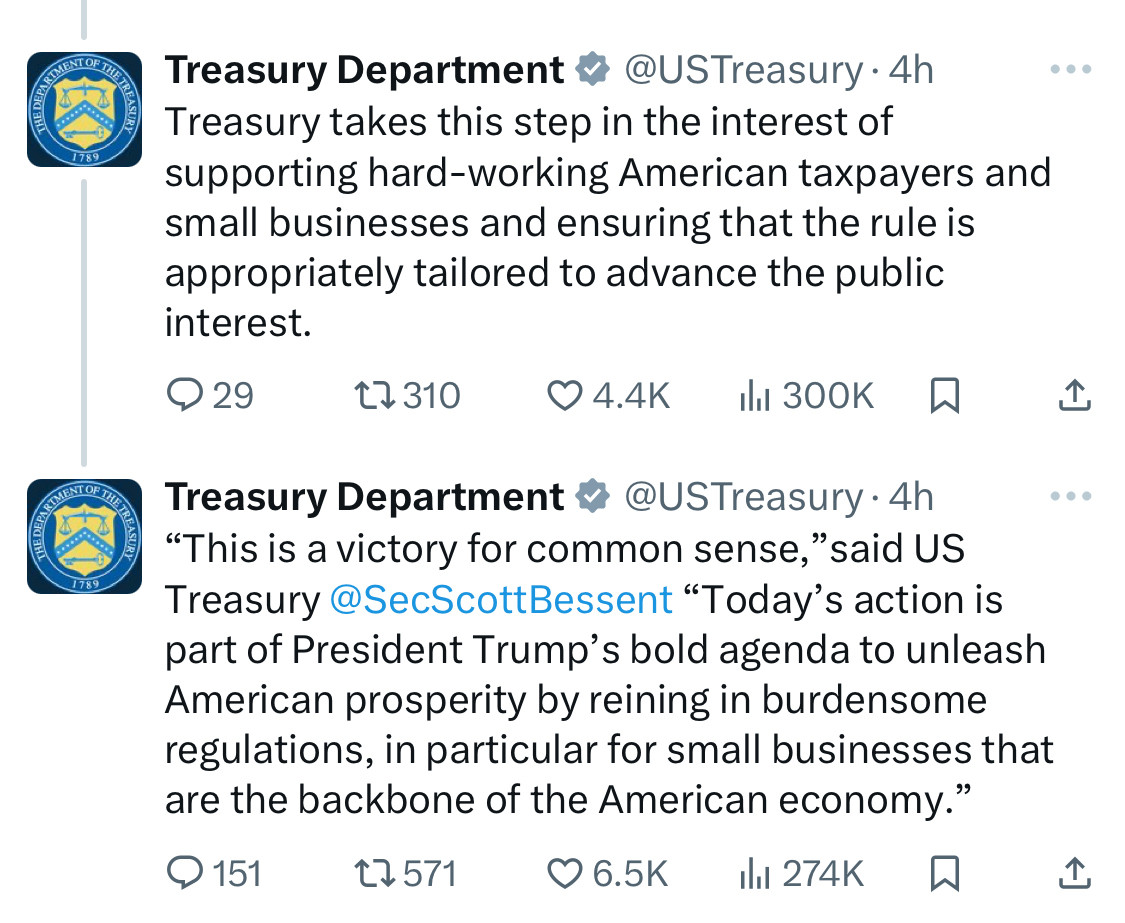
drain the swamp. screenshot from thread beginning xcancel.com/ustreasury/s...
Steve Randy Waldman
@interfluidity.com
they are comfortable opposing Biden. it’s the basic Schmitt / fascist intuition, opposing the enemy is the political good. but now the same deed is just theirs, theirs alone. without that cover, voters they care about, “America First” voters who just want out of everything, may demur.
Steve Randy Waldman
@interfluidity.com
this Republican Congress wants simply to disappear, to be absolved of all responsibility for anything. the founders thought Congress would be jealous of its privileges. this Congress is desperate to escape the blame that might come from even the slightest exercise of them.
Loading quoted Bluesky post...
Steve Randy Waldman
@interfluidity.com
Steve Randy Waldman
@interfluidity.com
i don’t think she’s accused of a crime, though? just denied entry and detained pending deportation.
Steve Randy Waldman
@interfluidity.com
i'm guessing they chatted, oh so what do you do, oh you're a tattoo artist! how great! are you going to do any of that while you're here? awesome! maybe you'll make a bit of money on the side. yes? you are hereby detained for violating the terms of the visa waiver program.
Steve Randy Waldman
@interfluidity.com
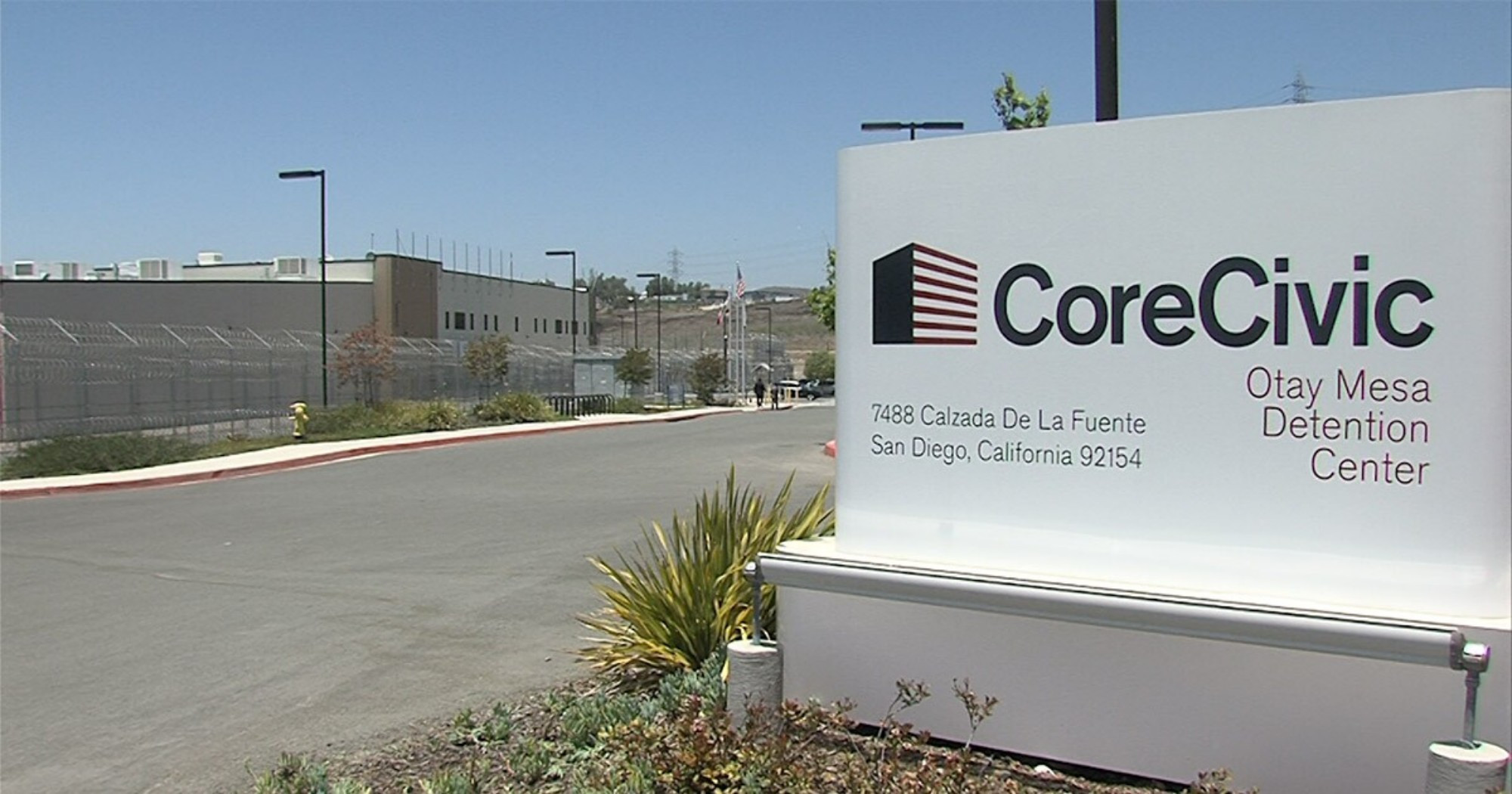
German tourist held indefinitely in San Diego area immigrant detention facility
Link Preview: German tourist held indefinitely in San Diego area immigrant detention facility: The young woman had planned to spend a month with a friend in Los Angeles and then fly home to Berlin. But she’s been in federal custody since late January.
Steve Randy Waldman
@interfluidity.com
but then the courts might force a rugpull!
Steve Randy Waldman
@interfluidity.com
We are so glad to have you here. We'll try to be good.
Steve Randy Waldman
@interfluidity.com
so any progress in, you know, the US Congress, the branch that controls the money, on funding a US Crypto Reserve? (genuinely asking! it certainly wouldn't surprise me if this craven caucus included it in a budget in deference to dear leader.)
Steve Randy Waldman
@interfluidity.com
so far they are only aspirational Nazis, then.