
Steve Randy Waldman
@interfluidity.com
is Noah Smith’s portrayal of China’s not-so-great quality of urbanism fair? www.noahpinion.blog/p/thoughts-o...

is Noah Smith’s portrayal of China’s not-so-great quality of urbanism fair? www.noahpinion.blog/p/thoughts-o...
you and i are fine products for Mr. Trump to sell!
we might think of this Trump Administration as an experiment, “What if we tried just being a dick to everyone?” the results of the experiment are beginning to pour in!
Loading quoted Bluesky post...
Masked ICE agents are going to detain the Financial Times. www.ft.com/content/f5fd...

The west’s shameful silence on Gaza
Link Preview: The west’s shameful silence on Gaza: The US and European allies should do more to restrain Benjamin Netanyahu
if the US is a store and he sets the prices, i guess it’s a consignment store and he sets the commissions?
[new draft post] The asset side of the balance sheet https://drafts.interfluidity.com/2025/05/06/the-asset-side-of-the-balance-sheet/index.html
into what do your recreations recreate you?
📌
i’m less interested in saving humanity than i am in saving the humans.
“sure, the Supreme Court is the final arbiter in interpreting the Constitution. but the President is the final arbiter in interpreting the Supreme Court!”
my body is operated by a homunculus who lives behind my third eye. but of course it needs to rest, so it has a staff of junior homunculi who take over. anything my body does that seems bad was done by staff. i don’t know anything about it.
Loading quoted Bluesky post...
“a diverse Federal workforce should include both patriots *and* traitors.”
it should matter much less who the President is.
a problem with our electoral system is it elevates self-styled masters for jobs as servants.
i think i’m going to sign some Executive Orders. i understand that my Executive Orders do not have the force of law. but do not question them.
Maybe active labor market policy, of a scale and vigor never before attempted, would actually be the panacea.
it’s a pretty square day: 5/5/25 5*5=25
going from autoimmune disease to autoimmune treatments of disease.
Loading quoted Bluesky post...
Excellent observation!
Elon Musk is pulling up the very ladder he climbed to his perch. Gee, I wonder why you do that. See @ryanlcooper.com prospect.org/environment/...
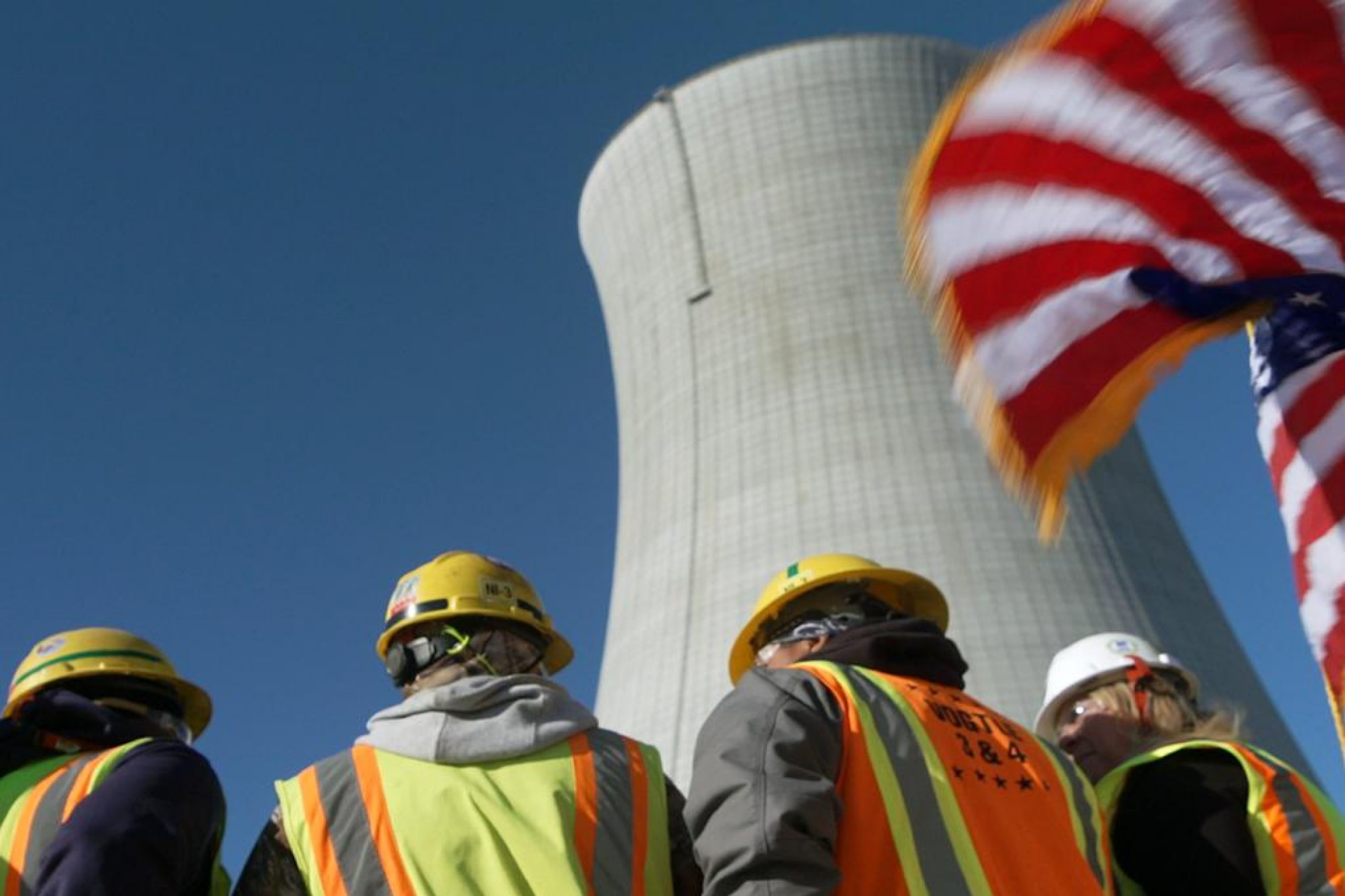
DOGE Is Obliterating American Industry
Link Preview: DOGE Is Obliterating American Industry: The Loan Programs Office is one of the most successful government agencies in history—or it was until Elon Musk arrived.