
Steve Randy Waldman
@interfluidity.com
TPUSA. CPUSA. Coincidence?
TPUSA. CPUSA. Coincidence?
poop sauna could be the next goop. MAHA!
golden age.
this administration is really hard on Hanlon's Razor.
"today we practiced an age-appropriate Active Threat Drill in conjunction with the…Sheriff’s Office. These drills are required by law to occur at least four times per school year. Students practiced either running or hiding depending on the location of the potential threat."
you know, just from following your links (i presume, but i'm pretty sure), i've found myself on mailing lists for "church leaders".
one reason they have so many upscale social events with one another is they need to constantly remind themselves in the joyful light of fellowship that the things they are doing are *right goddammit*. 1/
if left in the clarity of solitude too long, without the solace of mutual boosterism, even many of them can't help but glance at the crumbling visage in an attic portrait. 2/
there are the true sociopaths, of course, who are immune. but they tend not to be good writers. their intellectuals have just enough sensitivity and capability to really need to be told all the time, in circumstances that shout out reward-for-virtue, that it's their conscience that is mistaken. /fin
one can find oneself in despair over failure to relative impoverishment and feeling like a loser, or one can find oneself in despair over having contributed to movements you know are purely mercenary and ultimately evil. you'd have to lack a certain awareness you do not lack to escape the dilemma.
i guess the claim, which i think is mostly accurate, is that no one has any capability of starving others' arguments of attention — or if anyone does, it's the fascists now. 1/
there's still the asymmetry that their claims are purely instrumental, they face no truth constraints, seek only propaganda effectiveness, will happily flood the zone with shit. it's still true that debating with a Gish Gallop is mostly counterproductive. 2/
but gatekeeping won't work, and they no longer require "us" to help bring their propaganda attention. the President of the United States is megaphone enough. 3/
it's not a happy story. it's a story of we'd-better-figure-something-out, because right now the so-called marketplace of ideas is about as competitive as, say, the search market. civilized ideas are basically duck-duck-go. /fin
“The inoculations against another Gilded Age are found far less in the works of cyberpunk and far more in the Works Progress Administration.”
Loading quoted Bluesky post...
(i’m sure i too have done something very shady. but it’s just a dad joke.)
is there an easier prediction than that, five years from now, there will be stories about how China now dominates the commercialization and innovation of yet another technology invented in the US? see @ryanlcooper.com on mRNA vaccines prospect.org/health/2025-...
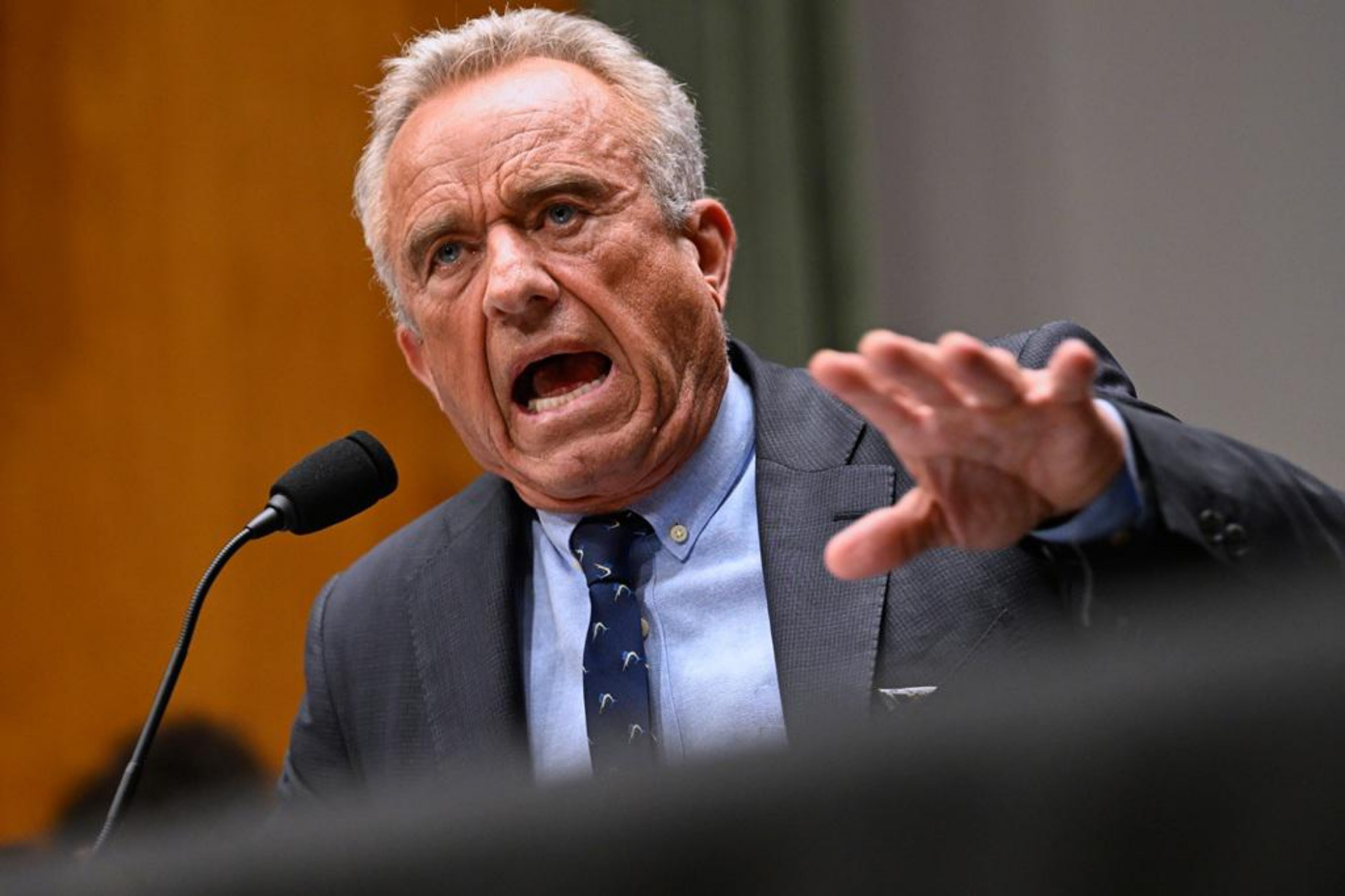
Robert Kennedy Has Gutted Our Best Defense Against Future Pandemics
Link Preview: Robert Kennedy Has Gutted Our Best Defense Against Future Pandemics: mRNA technology saved America’s bacon in 2020. Now RFK Jr. is defunding it.
[new draft post] The whole point of a democracy https://drafts.interfluidity.com/2025/08/20/the-whole-point-of-a-democracy/index.html
U2?
what if you are a lawyer and like really really idealistic but you don’t even like U2?
i feel like zuckerberg might be bipolar one minute it’s like let’s poach them for billions, the next minute let’s fire them all.
📌
models of the world unite! you have nothing to lose but your _________.
i'd agree it's better than the alternative of complete entrenchment, but if winners are sequential the period in which competition meaningfully constrains rent extraction and predation is at best short transitional period. even then, there is never more than oligopoly competition. it's not great!
the converse, if you wish not to remain a form of exploited labor…
Loading quoted Bluesky post...